
By January 2027, the UK’s ageing analogue landline network will be switched off and replaced with digital landlines that use broadband instead of traditional phone lines. For most people, this change is as simple as plugging their existing landline phone into their broadband router. However, for those who rely on specialist equipment such as amplified phones or alerting devices, there are understandable concerns about compatibility and access.
Ensuring a Smooth Digital Voice Switchover
The Royal National Institute for Deaf People (RNID) has been working closely with BT over the past two years to support people who are deaf, have hearing loss, or tinnitus through this transition. The partnership aims to ensure that everyone can prepare with confidence and receive the necessary help from BT as the analogue network is phased out.
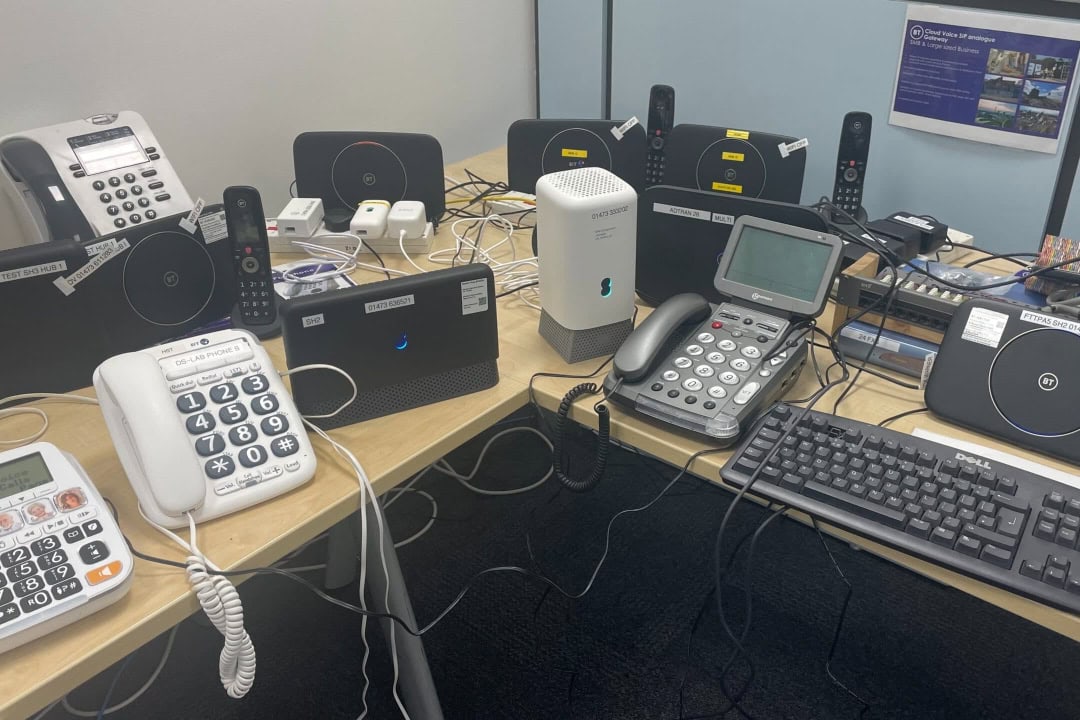
A key aspect of this collaborative project was extensive device and platform testing, which was led by RNID’s Technology Lead, Dr Alastair Moore. Part of the testing took place at BT’s Digital Services Lab at Adastral Park, where a wide range of telephones and accessories used by those with hearing difficulties were carefully evaluated.
The Testing Process and Discoveries
Dr Moore described how the team collected both new and used devices from manufacturers, retailers, and the community, focusing on those commonly in use. The test included amplified phones, DECT cordless phones, corded phones, textphones, alerting systems, and answer machines. Different key scenarios were explored, including making and receiving calls, caller ID, voice quality, use of DTMF tones, answer machine functionality, and compatibility with relay services such as RelayUK.
Overall, the results were very positive, with most equipment proving to be compatible with the new digital landline service. However, some issues were identified and resolved:
- Answer machines: The default voicemail service (1571) on Digital Voice may answer calls before an in-home answer machine. Users can disable the voicemail or adjust settings so their own device answers first.
- Extension phones: Using multiple phones on a single line requires BT Digital Voice Adapters and sometimes configuration of the BT Hub router. BT offers free engineer support for customers needing assistance.
- Non-ringing phones: Older phones wired differently were incompatible with the original BT adapters provided, causing them not to ring. Replacement adapters now supplied correct this issue.
- Textphone compatibility: Some incorrect characters were noted during testing but these also occur on analogue networks, so this is not a fault of the Digital Voice service.
- Fax machines: Fax functionality was not tested; BT advises users relying on fax to contact their support team as ongoing compatibility cannot be guaranteed.
Confidence in the Switch and Ongoing Support
Dr Moore expressed confidence that the vast majority of people who are deaf or hard of hearing will experience a smooth transition to digital landlines. “All tested combinations of phone and platform worked as expected for typical use. The most commonly used amplified phones and alerting devices are compatible without any special support or intervention,” he said.
He highlighted that understanding the changes and receiving timely support are vital, especially for the few who may have older or specialist equipment that requires additional attention. BT offers advice on replacement devices, setup support, and tailored solutions.
Advice for BT Customers
Those concerned about the switchover should monitor communications from BT and reach out directly if support is needed. BT provides a dedicated website and helpline specifically to assist customers during this transition.
For further information, RNID previously shared a blog detailing how the partnership with BT hopes to shape a smooth Digital Voice switchover. Additional resources include:
Landline phones are going digital
Your landline is going digital – here’s how to stay connected
Original source: Read the original article.